FAQs about Taekwondo


Taekwondo is one of the world's most widely practiced martial arts, known for its dynamic kicking techniques, discipline, and competitive sport format. Originating in Korea, it combines physical fitness, self-defense skills, mental focus, and athletic performance. Millions of children and adults train in Taekwondo for fitness, confidence, competition, or personal development. Whether you're considering your first class or want to understand advanced concepts, the questions below cover the most searched topics about Taekwondo, including belts, sparring, training methods, and practical benefits.
What is Taekwondo?
Taekwondo is a Korean martial art that emphasizes kicking techniques, speed, flexibility, and discipline. It is practiced as a sport, self-defense system, and fitness activity. Modern Taekwondo also includes forms, sparring, breaking techniques, and character development.
What does Taekwondo mean?
The word Taekwondo roughly translates to "the way of the foot and fist." "Tae" refers to kicking, "Kwon" refers to punching, and "Do" means a way or path. The name reflects both physical techniques and personal growth.
Is Taekwondo good for self-defense?
Taekwondo can be effective for self-defense by teaching distance management, fast strikes, awareness, and confidence. However, many schools focus heavily on sport competition. Practical self-defense effectiveness often depends on training methods and real-world application.
How long does it take to earn a black belt in Taekwondo?
Most students earn a black belt in approximately three to five years. The timeline varies based on attendance, skill development, testing requirements, and the policies of the school. Consistent training generally accelerates progress.
What are the belt levels in Taekwondo?
Belt systems differ between organizations, but students typically progress through several colored belts before reaching black belt. Common colors include white, yellow, green, blue, red, and black, representing increasing knowledge and skill.
Is Taekwondo an Olympic sport?
Yes. Taekwondo became an official Olympic sport at the 2000 Summer Olympics. Olympic competition focuses on full-contact sparring, where athletes score points using kicks and punches under specific rules and safety regulations.
What is the difference between Taekwondo and Karate?
Taekwondo emphasizes kicking techniques, mobility, and long-range attacks. Karate generally places greater emphasis on hand strikes and a wider variety of stances. Both martial arts teach discipline, self-control, and structured progression through ranks.
What age can children start Taekwondo?
Many schools accept children as young as four or five years old through beginner programs designed for their age group. These classes focus on coordination, listening skills, respect, balance, and basic martial arts movements.
Is Taekwondo safe for beginners?
Taekwondo is generally considered safe when taught by qualified instructors using proper equipment and supervision. Beginners start with basic techniques and gradually progress to more advanced training, reducing the risk of injury.
How often should you train Taekwondo?
Most students train two to four times per week. Consistent practice helps improve technique, fitness, flexibility, and conditioning. Competitive athletes may train more frequently, while recreational practitioners often maintain a moderate schedule.
What happens in a typical Taekwondo class?
A typical class includes warm-ups, stretching, technique drills, kicking practice, forms, partner exercises, sparring training, and cooldown activities. Classes often conclude with instructor feedback and lessons on discipline or martial arts etiquette.
What are Taekwondo forms?
Forms, also called poomsae, are prearranged sequences of movements that simulate combat situations. They help students develop balance, coordination, technique, focus, and an understanding of martial arts principles.
What is sparring in Taekwondo?
Sparring is controlled combat practice between two participants. Students apply techniques against resisting opponents while following established rules. Sparring develops timing, strategy, reflexes, distance control, and confidence under pressure.
Does Taekwondo improve fitness?
Yes. Regular training improves cardiovascular endurance, flexibility, balance, coordination, agility, and muscular strength. Classes often involve repetitive kicking drills and dynamic movements that provide a full-body workout.
Can adults start Taekwondo?
Absolutely. Adults of various ages begin Taekwondo every year. Many schools offer beginner-friendly programs that accommodate different fitness levels, goals, and experience backgrounds without requiring previous martial arts training.
What equipment is used in Taekwondo?
Common equipment includes a uniform called a dobok, protective headgear, chest protectors, shin guards, forearm guards, mouthguards, and groin protection for sparring. Equipment requirements vary by school and competition rules.
What are the benefits of Taekwondo for children?
Children can develop discipline, confidence, respect, focus, coordination, and physical fitness through Taekwondo training. Structured classes also encourage goal setting, perseverance, and positive social interaction with peers.
Can Taekwondo help with flexibility?
Yes. High kicking techniques require flexibility, so stretching is a major part of training. Consistent practice can significantly improve hip mobility, leg flexibility, balance, and overall range of motion.
How are points scored in Taekwondo competitions?
Points are typically awarded for valid punches and kicks that land on approved scoring areas. Higher-value techniques, such as spinning kicks, often earn additional points depending on the competition rules and organization.
Is Taekwondo difficult to learn?
Taekwondo is accessible for beginners but requires dedication to master. Basic techniques can be learned relatively quickly, while advanced skills, flexibility, timing, and competition-level performance may take years of consistent practice.
Which Taekwondo organization is the most recognized?
The two most recognized organizations are World Taekwondo and International Taekwon-Do Federation. They have different competition rules, forms, and training approaches, though both promote Taekwondo worldwide.
Taekwondo combines athletic performance, self-discipline, and practical martial arts training in a structured system suitable for children and adults alike. From earning belts and learning forms to competing in Olympic-style sparring, practitioners can pursue a wide range of goals. Its emphasis on kicking, fitness, respect, and continuous improvement has helped make Taekwondo one of the most popular martial arts in the world.
 Team qwikFAQs
 Team qwikFAQs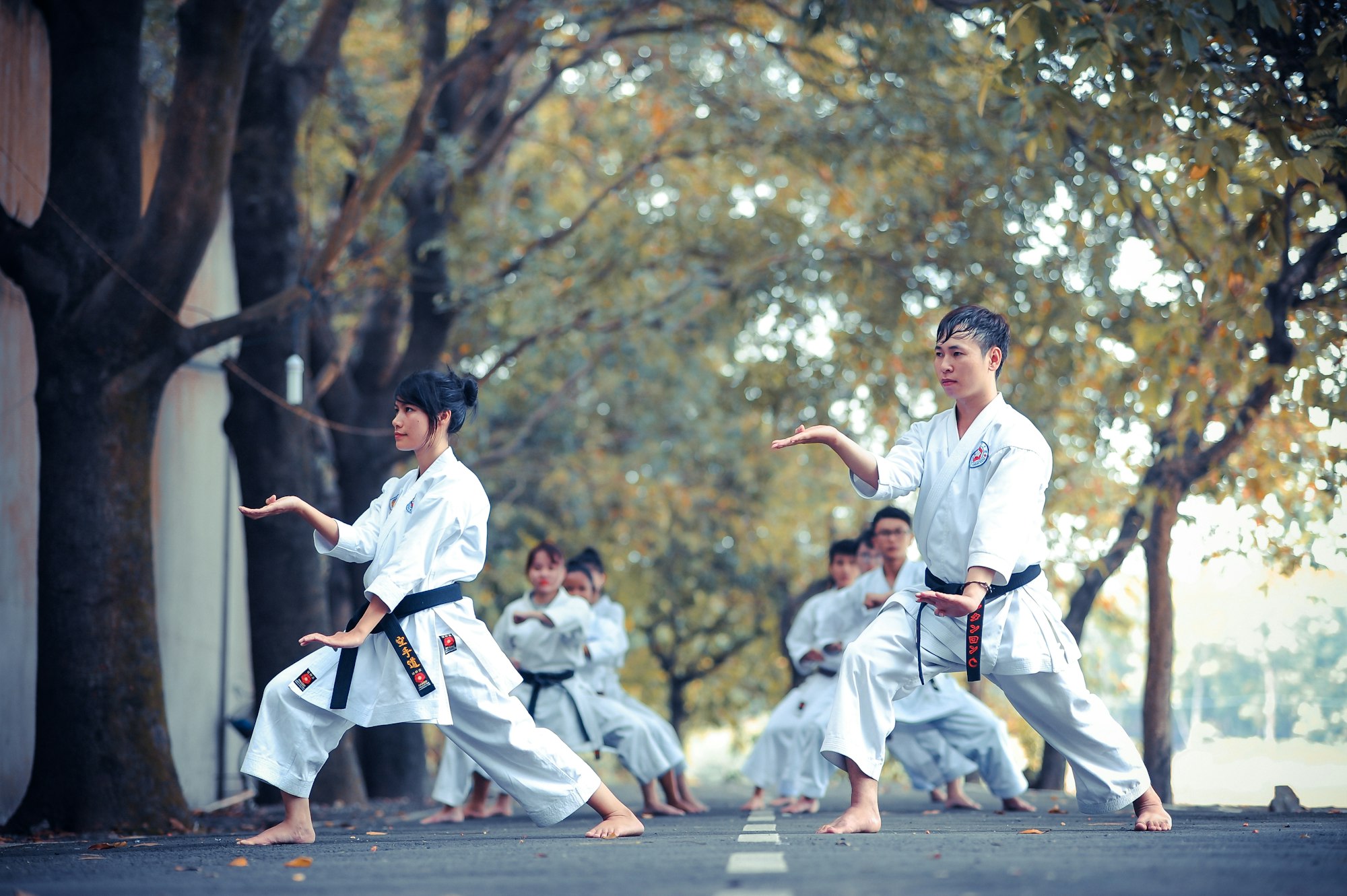
 Team qwikFAQs
 Team qwikFAQs
 Team qwikFAQs
 Team qwikFAQs
 Team qwikFAQs