FAQs About Karate


Karate is one of the world's most practiced martial arts, combining striking techniques, discipline, and mental focus. Originating in Japan with influences from Okinawan fighting traditions, it has evolved into a global sport, a practical self-defense system, and a lifelong fitness activity. Whether you're considering your first class or looking to deepen your understanding, many common questions arise about training, belts, competitions, and effectiveness. This guide answers the questions people search most often, helping beginners and experienced practitioners better understand what karate involves without overwhelming technical detail.
What is karate?
Karate is a martial art that emphasizes punches, kicks, knee strikes, elbow strikes, and defensive blocking techniques. It also develops balance, coordination, discipline, and confidence. Many schools combine physical training with lessons in respect, perseverance, and self-control.
Where did karate originate?
Karate developed in Okinawa, Japan, influenced by indigenous fighting methods and Chinese martial arts. During the 20th century, it spread throughout Japan before becoming one of the world's most popular martial arts practiced by millions across every continent.
Is karate good for self-defense?
Yes. Karate teaches awareness, striking accuracy, distance management, and quick reactions that can be valuable in self-defense situations. However, effectiveness depends on consistent practice, realistic training, and the individual's ability to remain calm under pressure.
Is karate suitable for beginners?
Absolutely. Karate schools typically welcome students of all ages and fitness levels. Beginners learn fundamental stances, punches, kicks, movement, and etiquette before progressing to more advanced techniques, making the learning process structured and approachable.
What age can children start karate?
Many karate schools accept children between four and six years old, although the exact age varies. Youth programs focus on coordination, listening skills, confidence, respect, and basic techniques rather than intense physical contact or advanced sparring.
Do adults start karate too late?
No. Many people begin karate in their 30s, 40s, 50s, or even later. Adult beginners can improve fitness, flexibility, balance, and self-confidence while progressing through the belt system at their own pace without prior martial arts experience.
How long does it take to earn a black belt in karate?
For most students, earning a black belt takes approximately three to six years of consistent training. Progress depends on attendance, skill development, grading requirements, and the standards established by each karate organization or instructor.
What do karate belt colors mean?
Belt colors indicate a student's progress through the curriculum. While the exact sequence varies by school, students generally advance from beginner ranks to darker belts before eventually testing for the black belt through practical examinations.
How often should you practice karate?
Training two to three times per week provides steady progress for most beginners. More frequent practice often improves technique, fitness, and muscle memory, especially when combined with home practice focusing on forms, flexibility, and conditioning.
What should you wear to karate class?
Students wear a traditional karate uniform called a gi, along with a belt indicating their rank. Most classes are practiced barefoot to improve balance, footwork, and grip while maintaining cleanliness on the training surface.
Is karate an Olympic sport?
Karate made its Olympic debut at the Tokyo 2020 Olympics but was not included in later Olympic programs. Despite this, international competitions continue through various governing bodies, attracting elite athletes from around the world.
What is the difference between kata and kumite?
Kata consists of choreographed sequences of techniques performed individually to demonstrate precision, balance, and timing. Kumite involves sparring with an opponent, allowing students to apply techniques in controlled, supervised combat situations.
Are karate competitions full contact?
Most karate competitions use controlled or point-based sparring, where excessive force is penalized. However, some styles hold full-contact tournaments with different rules, protective equipment, and judging standards depending on the organization.
Can karate help improve fitness?
Yes. Karate workouts improve cardiovascular endurance, muscular strength, flexibility, coordination, agility, and balance. Regular practice also burns calories while enhancing reaction time and overall physical conditioning through varied movement patterns.
Is karate effective compared to other martial arts?
Karate is highly effective within its training principles, especially for striking and distance control. Every martial art has strengths and limitations, so effectiveness ultimately depends more on training quality, consistency, and practical application than style alone.
Can karate help build confidence?
Yes. Learning new techniques, achieving higher belt ranks, and overcoming personal challenges often increase confidence. Many students also develop better discipline, focus, resilience, and communication skills through consistent training and supportive instruction.
Is sparring mandatory in karate?
Not always. Many beginner programs delay sparring until students understand safety, control, and basic techniques. Some recreational classes offer limited or optional sparring, while competitive schools place greater emphasis on regular supervised sparring sessions.
What are the main styles of karate?
Popular styles include Shotokan, Goju-Ryu, Shito-Ryu, and Wado-Ryu. Each emphasizes different combinations of movement, power generation, breathing methods, kata, and sparring strategies while sharing the core principles of traditional karate.
Can karate reduce stress?
Many practitioners find karate helpful for stress management because training requires concentration, controlled breathing, and physical activity. Regular practice can improve mental focus, emotional resilience, and overall well-being while providing a productive outlet for daily stress.
Is karate safe?
Karate is generally safe when taught by qualified instructors who emphasize proper technique, warm-ups, protective equipment where appropriate, and controlled practice. Like any physical activity, minor injuries can occur, but following safety guidelines significantly reduces the risk.
Karate offers much more than striking techniques. It combines physical fitness, practical skills, mental discipline, and personal growth into a structured training system suitable for children and adults alike. Whether your goal is self-defense, competition, improved health, or increased confidence, understanding these frequently asked questions provides a solid foundation before stepping onto the training floor. With regular practice and patience, karate can become a rewarding lifelong pursuit that benefits both body and mind.
 Team qwikFAQs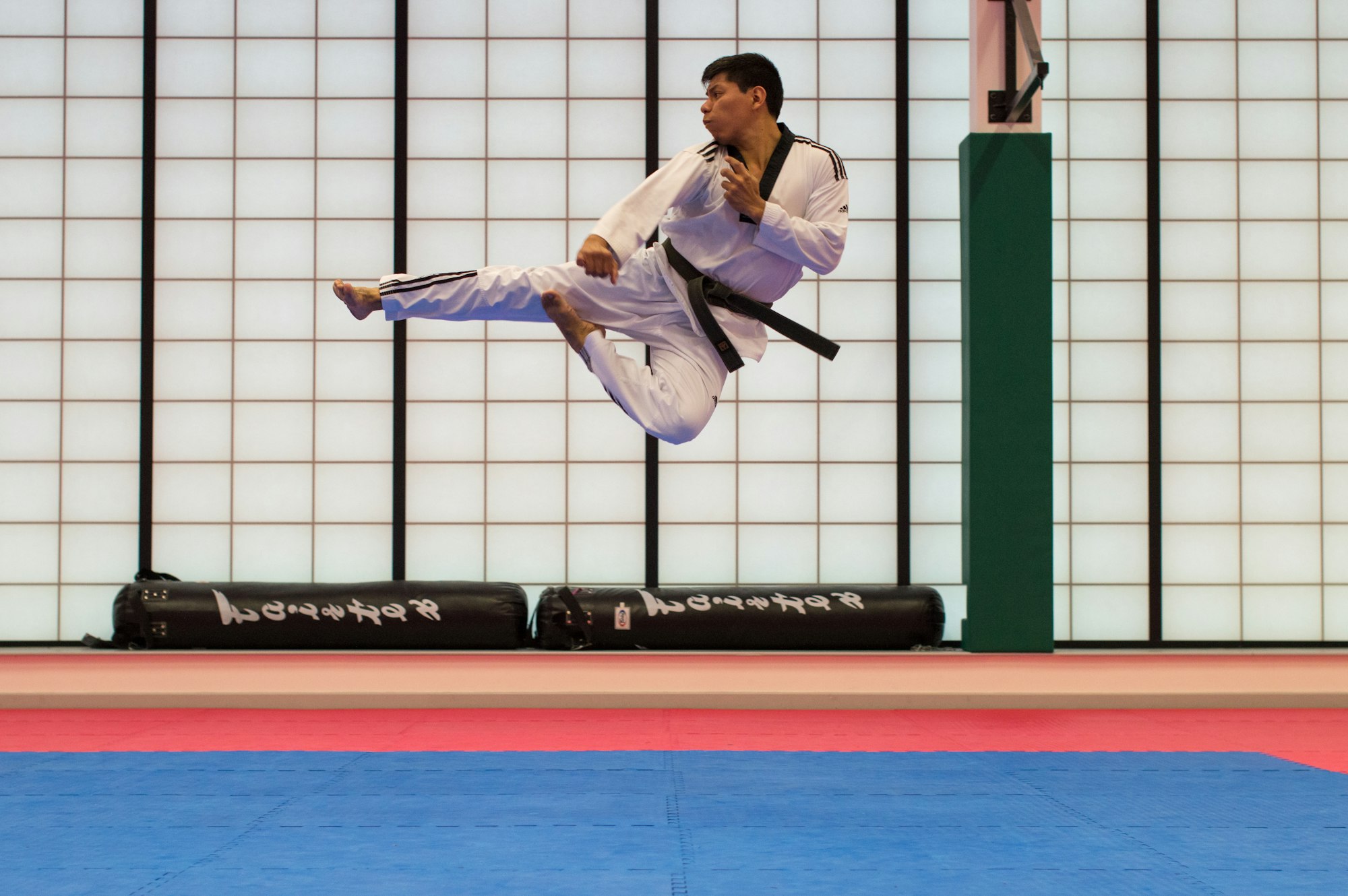
 Team qwikFAQs
 Team qwikFAQs
 Team qwikFAQs
 Team qwikFAQs
 Team qwikFAQs
 Team qwikFAQs