FAQs about MMA


Mixed Martial Arts (MMA) is one of the fastest-growing combat sports in the world. It combines techniques from disciplines such as boxing, wrestling, Brazilian jiu-jitsu, kickboxing, judo, and Muay Thai. Modern MMA competitions test a fighter’s ability to strike, grapple, defend, and adapt under pressure. The sport has evolved significantly over the years, with unified rules, weight divisions, and enhanced safety standards helping it gain global popularity.
Whether you're a new fan, aspiring fighter, or simply curious about the sport, these frequently asked questions explain the fundamentals of MMA and how professional competitions operate.
What is MMA?
MMA stands for Mixed Martial Arts, a full-contact combat sport that allows competitors to use a variety of fighting techniques. Fighters combine striking, grappling, takedowns, submissions, and defensive skills from multiple martial arts disciplines to compete under a unified ruleset.
What does MMA stand for?
MMA stands for Mixed Martial Arts. The term reflects the sport's combination of techniques from different combat styles, including boxing, wrestling, Brazilian jiu-jitsu, Muay Thai, judo, karate, and kickboxing.
How does an MMA fight end?
An MMA fight can end by knockout, technical knockout (TKO), submission, judges' decision, disqualification, or a doctor's stoppage. If neither fighter finishes the bout within the allotted rounds, judges determine the winner based on scoring criteria.
How are MMA fights scored?
Judges typically use the 10-point must system. The winner of each round usually receives 10 points, while the opponent receives nine or fewer. Effective striking, grappling, aggression, and cage control influence scoring decisions.
What are the main rules in MMA?
Rules prohibit actions such as eye gouging, biting, groin attacks, and strikes to the back of the head. Fighters must compete within their designated weight class and follow regulations designed to improve fairness and athlete safety.
What are MMA weight classes?
Weight classes separate fighters by body weight to ensure competitive balance. Common divisions include flyweight, bantamweight, featherweight, lightweight, welterweight, middleweight, light heavyweight, and heavyweight, although exact categories vary between organizations.
What is a submission in MMA?
A submission occurs when one fighter forces an opponent to surrender using a chokehold or joint lock. Fighters signal submission by tapping their hand on the opponent, mat, or their own body, ending the contest immediately.
What is a knockout in MMA?
A knockout happens when a fighter becomes unable to continue after a legal strike. The referee stops the fight instantly if a competitor loses consciousness or cannot adequately defend themselves.
What is a technical knockout (TKO)?
A TKO occurs when the referee, doctor, or corner determines that a fighter cannot safely continue. Unlike a knockout, the fighter may still be conscious but unable to effectively defend or compete.
How long is an MMA fight?
Most professional MMA fights consist of three five-minute rounds. Championship bouts and many main events typically feature five five-minute rounds. One-minute rest periods separate each round.
What martial arts are used in MMA?
MMA incorporates techniques from many disciplines. Popular styles include boxing for punches, Muay Thai for striking, wrestling for takedowns, Brazilian jiu-jitsu for submissions, and judo for throws and clinch work.
Is MMA dangerous?
Like all combat sports, MMA carries injury risks. Common injuries include cuts, bruises, sprains, and fractures. Modern rules, medical screenings, referees, and protective regulations help reduce risks compared with earlier eras of the sport.
Can beginners train MMA?
Yes, beginners can start MMA training without previous martial arts experience. Most gyms offer introductory classes focused on fitness, basic techniques, safety, and skill development before students participate in advanced sparring sessions.
How often do MMA fighters train?
Professional fighters often train multiple times per day, combining striking, grappling, strength training, conditioning, and recovery. Recreational practitioners usually train several times per week depending on their goals and schedules.
What equipment is used in MMA?
Training equipment commonly includes gloves, mouthguards, shin guards, hand wraps, groin protection, and protective headgear for certain drills. Competition equipment is regulated and varies depending on the organization's rules.
What is the difference between MMA and boxing?
Boxing focuses exclusively on punches, while MMA allows a wider range of techniques including kicks, knees, takedowns, submissions, and clinch fighting. MMA therefore requires athletes to develop skills across multiple combat disciplines.
What is the difference between MMA and UFC?
MMA is the sport itself, while the UFC is an organization that promotes MMA events. Many organizations host MMA competitions worldwide, but the UFC is widely regarded as the largest and most recognizable promotion.
How do fighters make weight for MMA?
Fighters must weigh within the limit of their assigned division before competition. Many athletes follow structured nutrition and training plans leading up to weigh-ins, though excessive weight cutting remains a debated topic.
What is a title fight in MMA?
A title fight is a bout contested for a championship belt within a specific weight class. The reigning champion defends the title against a challenger, and championship fights often receive greater attention and promotion.
Can MMA fights end in a draw?
Yes, MMA fights can end in a draw. This may occur when judges score the contest evenly, when points are deducted and scores balance out, or under certain circumstances involving incomplete rounds and official rulings.
How can someone start a career in MMA?
Most fighters begin by training at a reputable gym and competing in amateur events. Success at the amateur level can lead to professional opportunities, where athletes build records and seek contracts with larger organizations.
MMA combines striking, grappling, strategy, athleticism, and mental toughness into a single competitive sport. Its blend of martial arts styles has attracted fans and participants from around the world. Understanding the rules, scoring, weight classes, and training methods provides a strong foundation for appreciating how MMA competitions work and why the sport continues to grow in popularity.
 Team qwikFAQs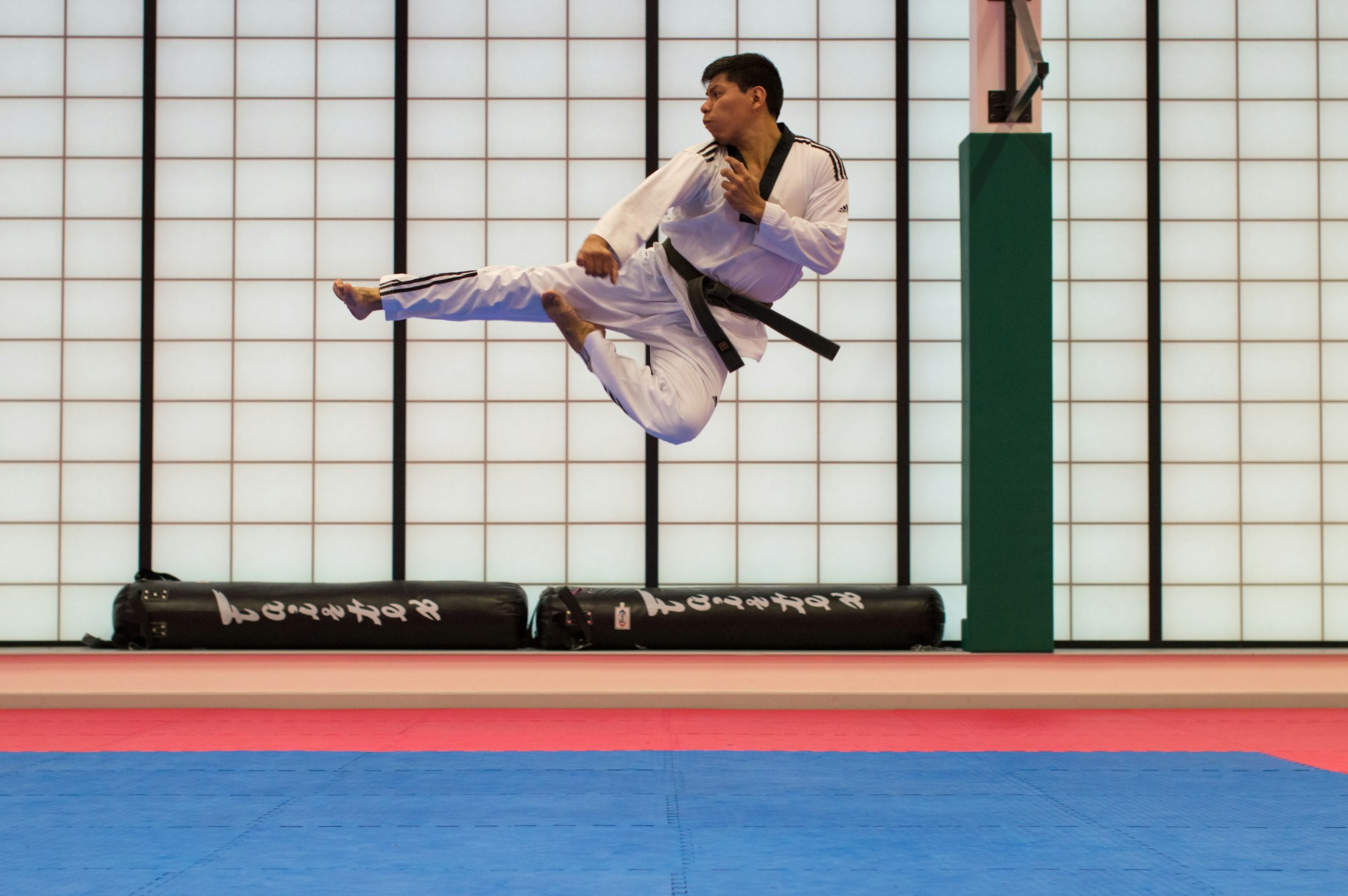
 Team qwikFAQs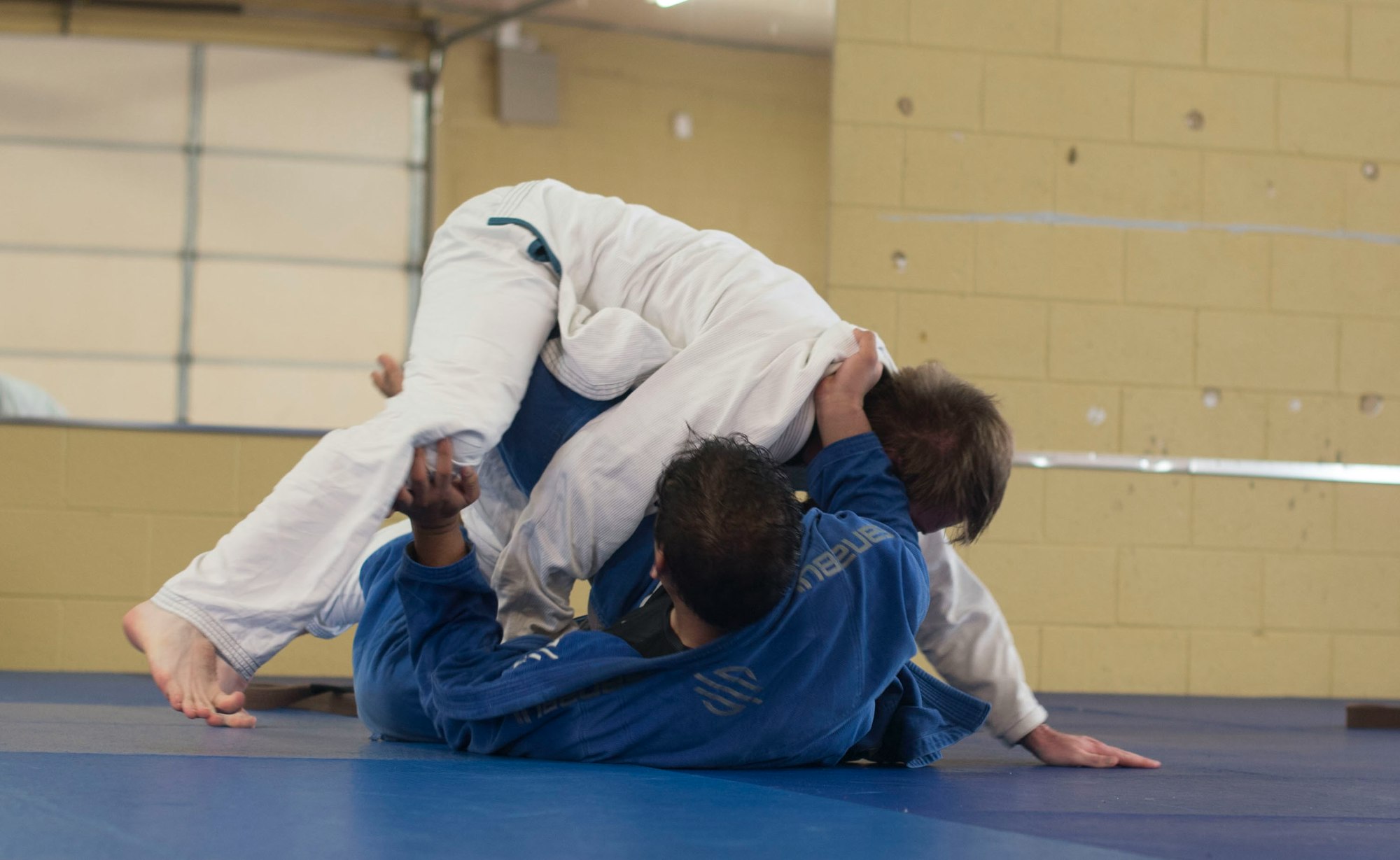
 Team qwikFAQs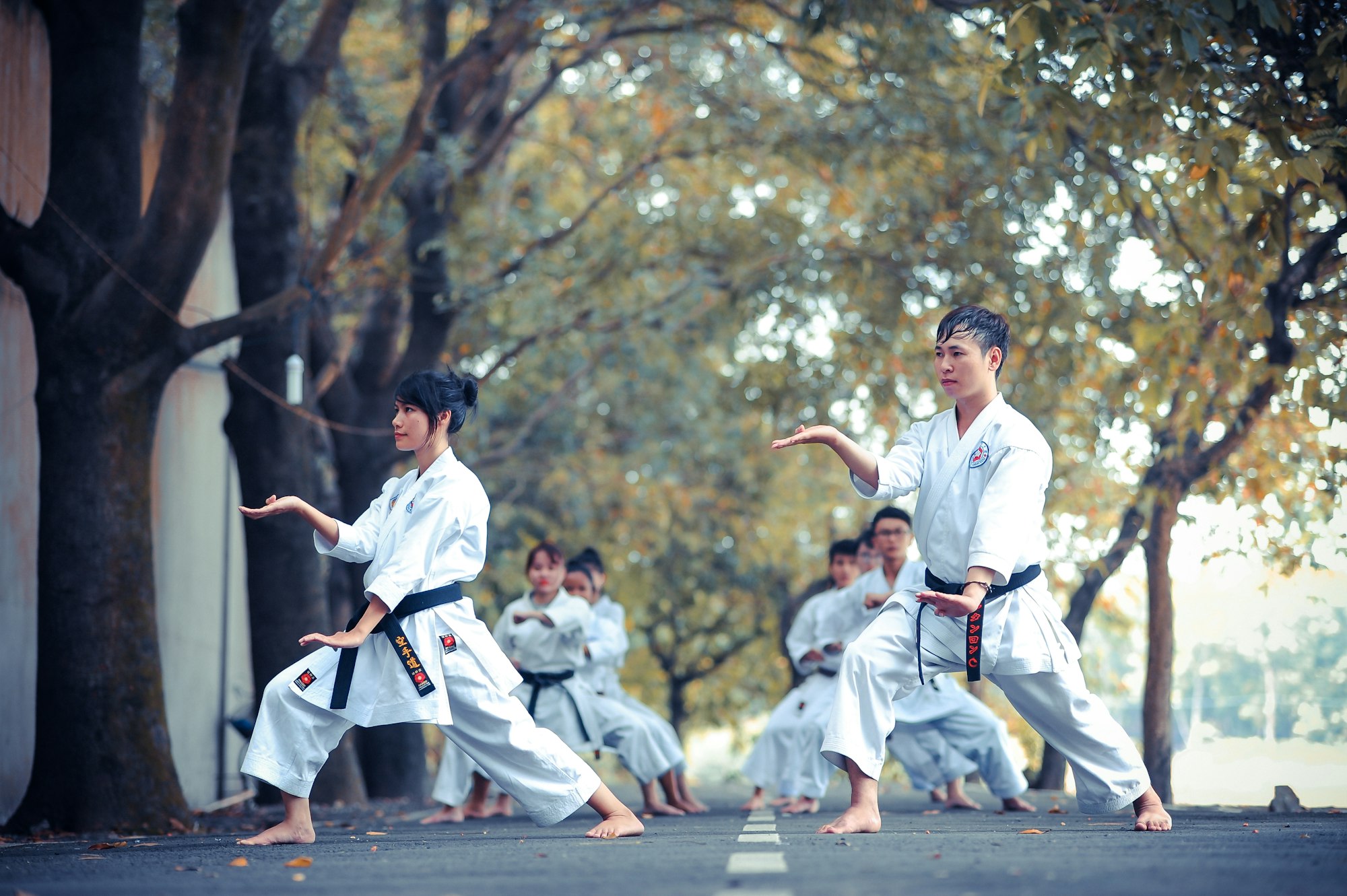
 Team qwikFAQs
 Team qwikFAQs
 Team qwikFAQs
 Team qwikFAQs
 Team qwikFAQs