FAQs about Palmistry


Palmistry, also known as palm reading or chiromancy, is the practice of interpreting the lines, shapes, and features of the hands to gain insight into personality, strengths, relationships, and life paths. It has been practiced in various cultures for thousands of years and remains popular worldwide. While some view palmistry as a spiritual or symbolic tradition, others enjoy it as a tool for self-reflection and personal exploration. Understanding the basics of palm reading can help explain why it continues to fascinate people and inspire curiosity across generations.
What is palmistry?
Palmistry is the practice of analyzing the hands, palms, fingers, and lines to interpret aspects of a person's character and life experiences. Practitioners believe specific markings and hand features can reveal tendencies, strengths, challenges, and potential future developments.
How does palmistry work?
Palmistry works by examining major and minor palm lines, hand shapes, finger lengths, mounts, and other physical features. Readers interpret these characteristics using traditional symbolism developed over centuries rather than scientific measurement or testing.
Is palmistry scientifically proven?
Palmistry is not supported by scientific evidence as a reliable method for predicting future events. Most scientists consider it a pseudoscience. However, many people still find value in it for entertainment, cultural traditions, or personal reflection.
Which hand is used in palm reading?
Many palmists examine both hands. A common approach is that the dominant hand reflects current life choices and experiences, while the non-dominant hand represents inherited traits, natural tendencies, or potential paths.
What are the major lines in palmistry?
The three primary lines are the heart line, head line, and life line. Many readers also examine the fate line. These lines are considered the foundation of most palm readings and receive the greatest attention.
What does the life line mean?
The life line curves around the base of the thumb. Contrary to popular belief, it is not traditionally used to predict lifespan. Instead, it is often associated with vitality, energy levels, significant life changes, and overall well-being.
What does the heart line represent?
The heart line is linked to emotions, relationships, and emotional expression. Palmists interpret its length, depth, and shape to gain insight into how a person approaches love, affection, and interpersonal connections.
What does the head line indicate?
The head line is associated with thinking patterns, decision-making, intelligence, and communication style. Readers often use it to understand whether someone tends to be analytical, creative, practical, or imaginative.
What is the fate line in palmistry?
The fate line is believed to relate to career direction, life purpose, ambitions, and external influences. Not everyone has a clearly visible fate line, and its absence is not generally considered unusual or negative.
Can palmistry predict the future?
Palmists often describe future events as possibilities rather than certainties. Traditional palmistry focuses more on tendencies, opportunities, and potential outcomes rather than making exact predictions about specific future events.
Do palm lines change over time?
Many palmistry practitioners believe palm lines can evolve throughout life. They argue that changes in experiences, habits, and circumstances may be reflected in the hands, although this idea has not been scientifically validated.
What does hand shape mean in palmistry?
Hand shapes are often grouped into elemental categories such as earth, air, fire, and water. Each type is believed to reflect distinct personality traits, strengths, communication styles, and approaches to life.
What are mounts in palmistry?
Mounts are the raised areas of flesh on the palm beneath the fingers and around the thumb. Different mounts are associated with qualities such as leadership, creativity, ambition, communication, and emotional sensitivity.
Can palmistry reveal personality traits?
Many palmists use hand features to interpret personality tendencies, preferences, strengths, and weaknesses. The practice often focuses heavily on character analysis rather than solely attempting to predict future outcomes.
Is palmistry connected to astrology?
Palmistry and astrology are separate practices, but they often overlap in spiritual traditions. Some palmists incorporate astrological concepts, planetary symbolism, and zodiac associations into their interpretations and readings.
Can anyone learn palmistry?
Yes. Many people learn palmistry through books, courses, workshops, and practice. Beginners usually start by identifying major lines and hand shapes before progressing to more detailed interpretations and advanced techniques.
Why do different palm readers give different interpretations?
Palmistry involves subjective interpretation rather than standardized measurement. Different readers may emphasize different features, traditions, or schools of thought, which can lead to varying conclusions from the same hand.
Is palmistry popular around the world?
Palmistry is practiced in many countries across Asia, Europe, the Middle East, and the Americas. Its long history and cultural significance have helped maintain its popularity despite differing beliefs about its accuracy.
Can palmistry help with relationships?
Some people use palmistry to explore emotional patterns, communication styles, and relationship dynamics. While it should not replace professional guidance, it can encourage self-awareness and discussion about personal connections.
Is palmistry considered a spiritual practice?
For many practitioners, palmistry is connected to spirituality, intuition, and self-discovery. Others approach it as a cultural tradition or form of entertainment. Its meaning often depends on personal beliefs and individual perspectives.
Are online palm reading apps accurate?
Online palm reading apps can identify lines and provide automated interpretations, but their accuracy varies widely. Most rely on generalized meanings and algorithms, making them less personalized than readings performed by experienced practitioners.
Palmistry remains one of the world's most recognized forms of divination and self-exploration. Whether viewed as a spiritual practice, cultural tradition, or enjoyable curiosity, it continues to attract interest from people seeking insight into themselves and their lives. Understanding the meanings behind palm lines, hand shapes, and traditional interpretations provides a useful foundation for anyone interested in learning more about the art of palm reading.
 Team qwikFAQs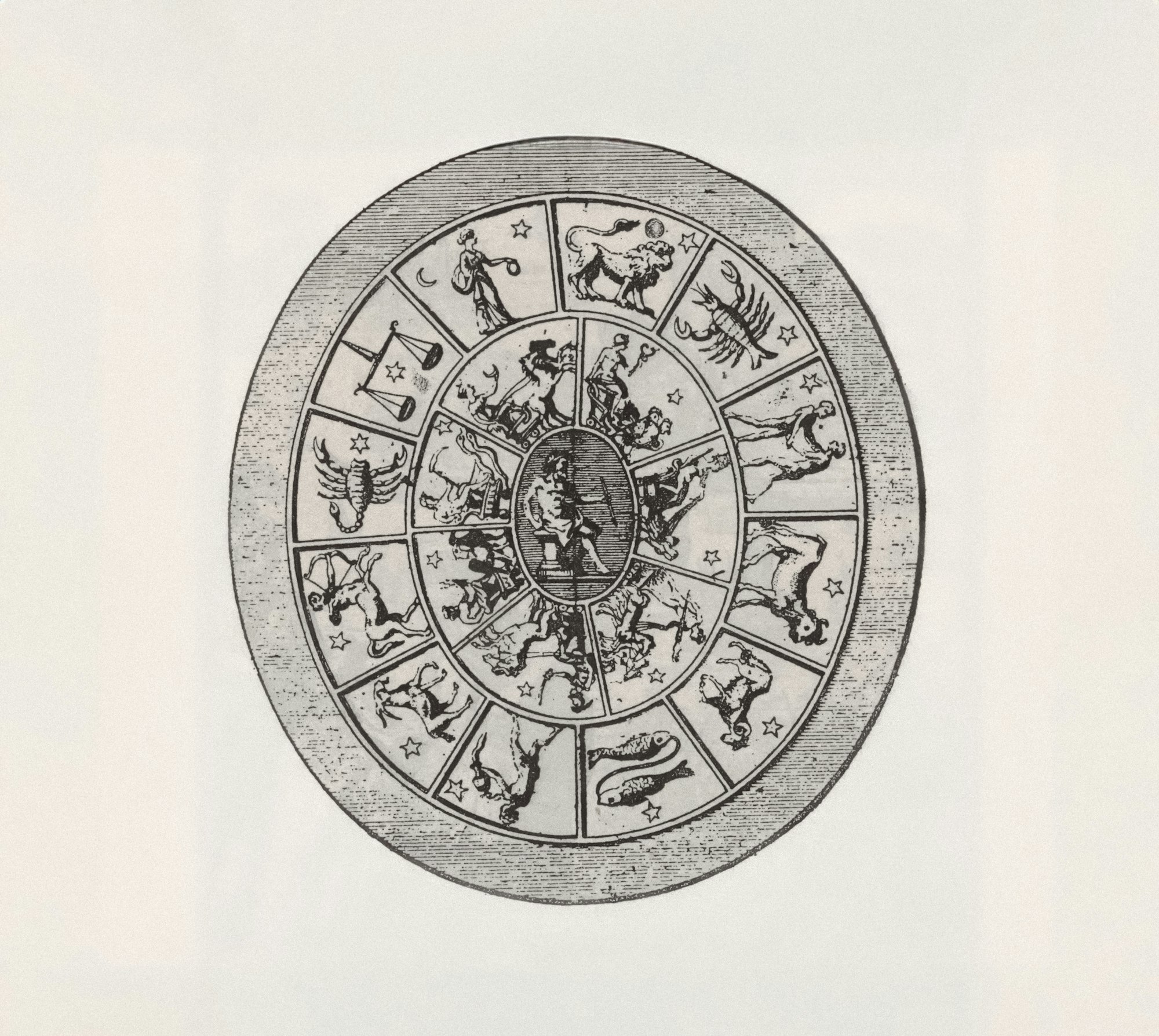
 Team qwikFAQs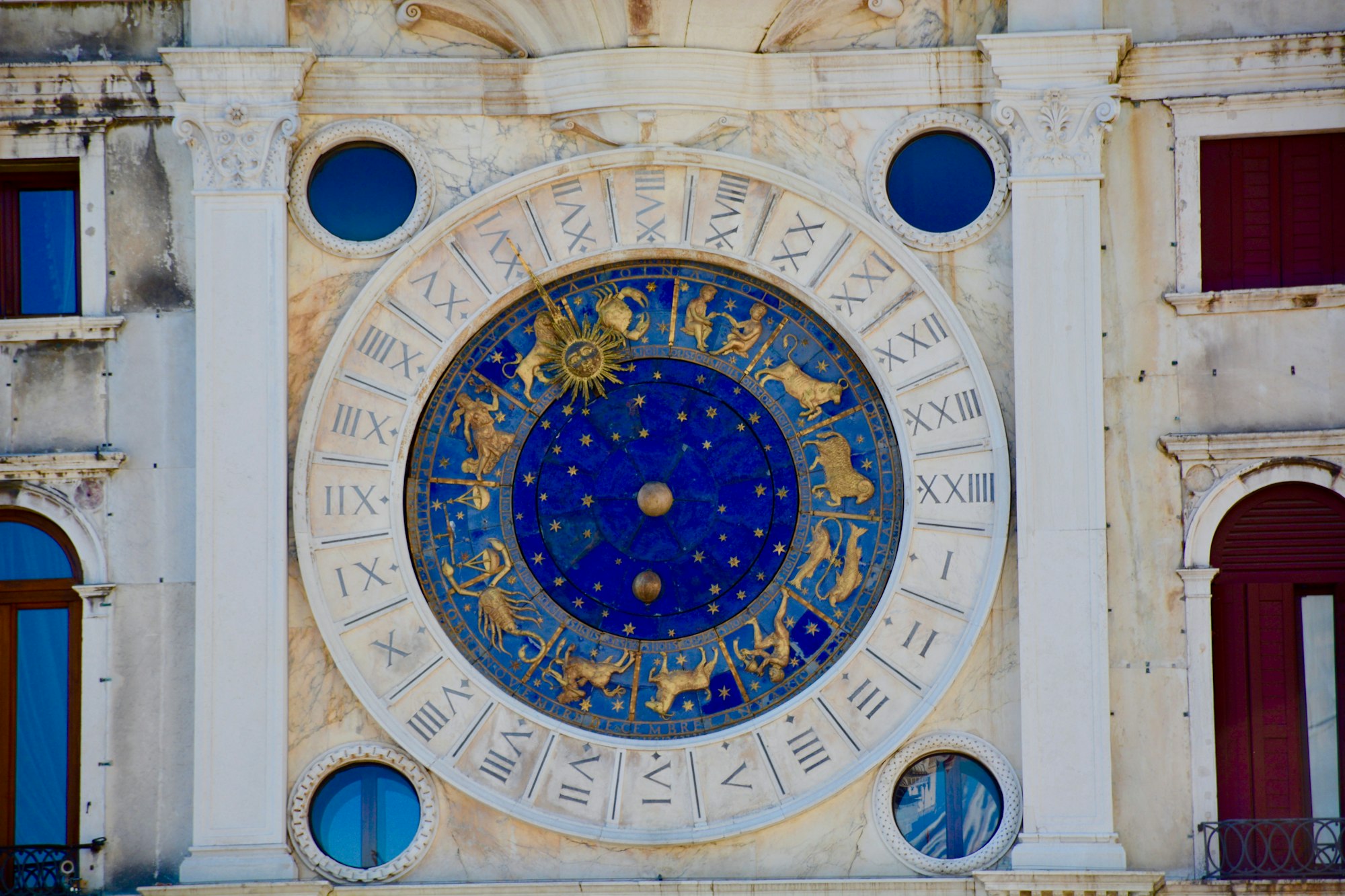
 Team qwikFAQs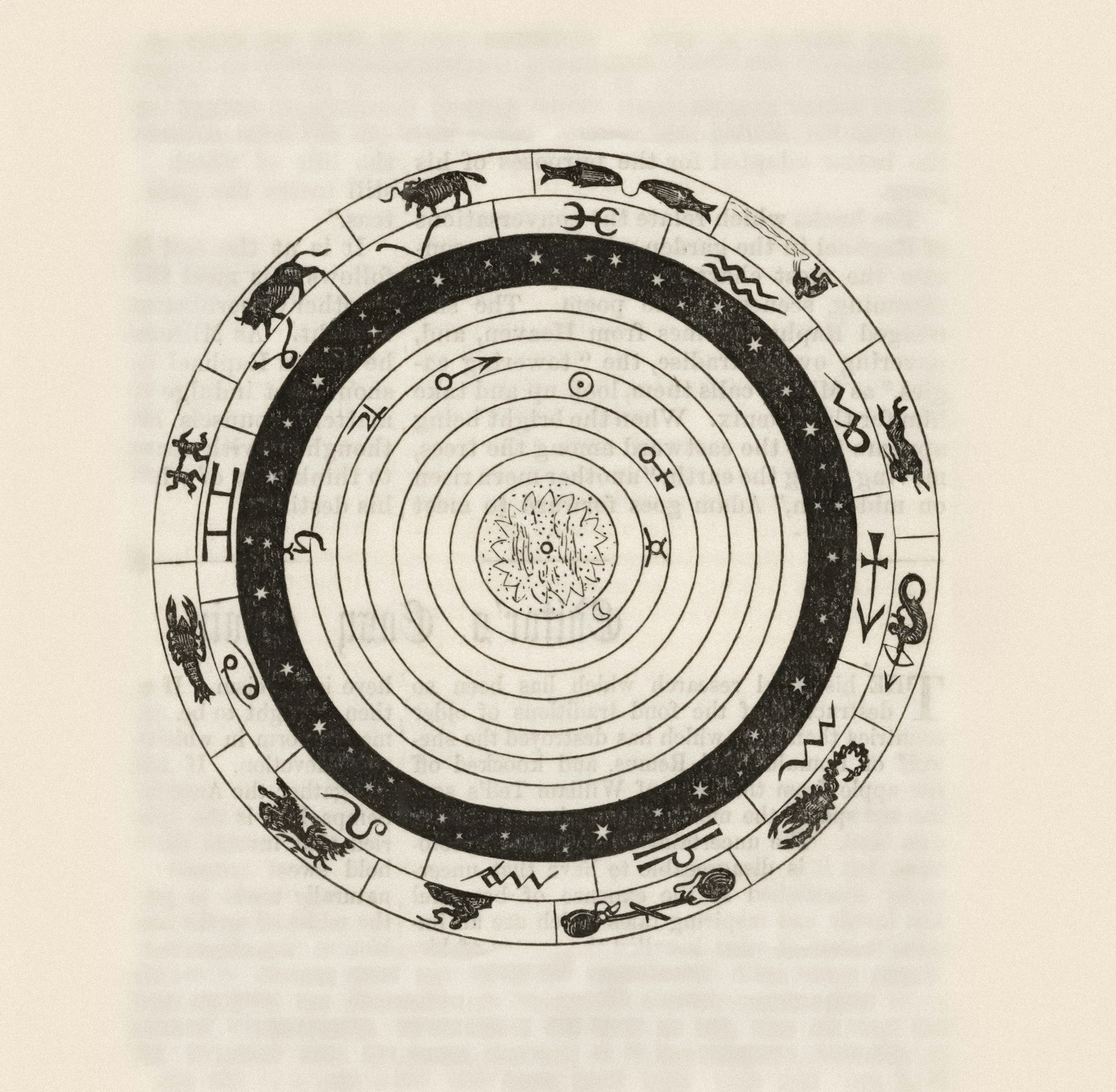
 Team qwikFAQs
 Team qwikFAQs