FAQs about Astrology


Astrology has fascinated people for thousands of years and remains one of the world's most widely discussed belief systems. From zodiac signs and birth charts to planetary movements and compatibility readings, astrology offers a framework for interpreting personality traits, relationships, and life events. Whether you are completely new to astrology or looking to better understand commonly used terms and concepts, this FAQ covers many of the questions people search for most often. The answers below explain key ideas in a straightforward way, helping you understand how astrology is practiced and what astrologers typically mean when discussing charts, signs, planets, and predictions.
What is astrology?
Astrology is a system that studies the positions and movements of celestial bodies and their symbolic relationship to human experiences. Practitioners believe planetary placements at specific moments, especially birth, can provide insights into personality, tendencies, relationships, and life patterns.
How does astrology work?
Astrology works by interpreting the positions of the Sun, Moon, planets, and other celestial points within a birth chart. Astrologers analyze these placements, along with their relationships to one another, to identify themes, strengths, challenges, and potential life developments.
What are zodiac signs?
Zodiac signs are twelve divisions of the astrological calendar. Each sign is associated with specific characteristics, symbolism, strengths, and challenges. The signs begin with Aries and end with Pisces, with each representing a different segment of the zodiac wheel.
What is a birth chart?
A birth chart, also called a natal chart, is a map of the sky at the exact date, time, and location of a person's birth. It shows where the Sun, Moon, planets, and astrological houses were positioned at that moment.
Why is birth time important in astrology?
Birth time determines the rising sign and the placement of astrological houses. Even a small difference in time can alter important chart details. Accurate birth information allows astrologers to create a more precise interpretation of personality and life themes.
What is a Sun sign?
A Sun sign is the zodiac sign occupied by the Sun at the time of birth. It is the most widely known astrological placement and is commonly featured in horoscopes. The Sun sign represents identity, self-expression, and core personality traits.
What is a Moon sign?
A Moon sign reflects the position of the Moon at birth. It is associated with emotions, instincts, habits, and inner needs. Many astrologers consider the Moon sign just as important as the Sun sign when understanding someone's personality.
What is a rising sign?
A rising sign, also called the ascendant, is the zodiac sign appearing on the eastern horizon at birth. It influences first impressions, outward behavior, personal style, and how others perceive an individual in everyday interactions.
What are astrological houses?
Astrological houses divide the birth chart into twelve areas representing different aspects of life. These include relationships, career, finances, family, communication, and personal growth. Planetary placements within houses help astrologers identify where specific energies are expressed.
What do planets represent in astrology?
In astrology, planets symbolize different psychological drives and life functions. For example, Venus relates to love and attraction, Mars to action and motivation, Mercury to communication, and Jupiter to growth, opportunity, and expansion.
What is Mercury retrograde?
Mercury retrograde is an apparent backward movement of Mercury as viewed from Earth. Astrologers associate this period with communication misunderstandings, scheduling issues, travel disruptions, and the need to review decisions rather than rush forward.
Can astrology predict the future?
Astrology is generally used to identify trends, opportunities, and challenges rather than provide exact predictions. Many astrologers view it as a tool for understanding probabilities and timing rather than a method for forecasting specific future events with certainty.
What are horoscope readings?
Horoscope readings are astrological interpretations based on planetary positions. Daily, weekly, monthly, or yearly horoscopes provide general guidance for groups of people sharing the same Sun sign, though personal birth charts offer more individualized insights.
Which zodiac signs are considered most compatible?
Astrological compatibility depends on many chart factors, not just Sun signs. While certain sign combinations are traditionally viewed as harmonious, astrologers usually compare complete birth charts to assess emotional, romantic, intellectual, and long-term compatibility.
What is synastry in astrology?
Synastry is the comparison of two birth charts to evaluate relationship dynamics. Astrologers examine how one person's planets interact with another's chart to identify strengths, attractions, communication patterns, and areas where challenges may arise.
What is the difference between astrology and astronomy?
Astronomy is a scientific discipline that studies celestial objects and the universe using observation and research. Astrology is a symbolic interpretive system that connects planetary positions with human experiences. The two fields share historical roots but serve different purposes.
What are the four astrological elements?
The zodiac signs are grouped into four elements: fire, earth, air, and water. Fire signs are associated with enthusiasm, earth signs with practicality, air signs with intellect, and water signs with emotions and intuition.
What are astrological transits?
Transits refer to the current movement of planets and how they interact with positions in a birth chart. Astrologers use transits to understand changing influences, important periods, and potential opportunities or challenges throughout life.
Is astrology scientifically proven?
Astrology is not considered a scientifically proven method for predicting behavior or future events. Its popularity comes largely from cultural traditions, personal meaning, symbolic interpretation, and individual experiences rather than broad scientific validation.
Why is astrology so popular?
Astrology remains popular because many people find it engaging, reflective, and helpful for self-exploration. It provides a language for discussing personality, relationships, goals, and life changes, making it appealing across different cultures and generations.
Astrology continues to attract interest because it combines symbolism, tradition, and personal interpretation in a way that feels relevant to everyday life. Whether someone follows daily horoscopes, studies birth charts, or simply enjoys learning about zodiac signs, astrology offers a unique perspective on human experiences. Understanding its core concepts can help readers navigate astrology-related discussions more confidently and appreciate why it remains one of the world's most enduring and widely searched topics.
 Team qwikFAQs
 Team qwikFAQs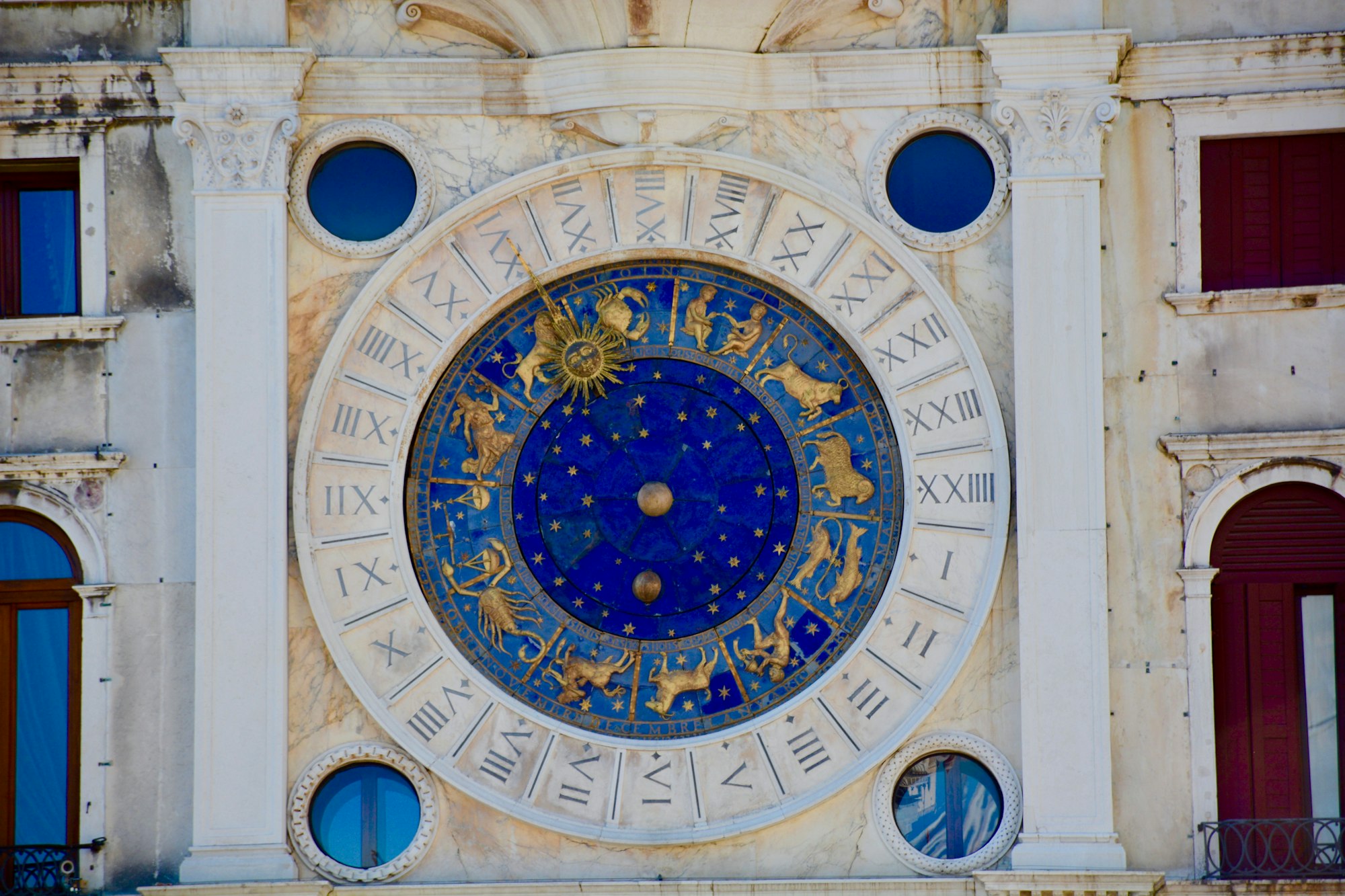
 Team qwikFAQs
 Team qwikFAQs
 Team qwikFAQs