FAQs About Linen


Linen is one of the world's oldest and most valued natural fabrics, appreciated for its breathability, durability, and timeless appearance. Made from flax fibers, it has been used for thousands of years in clothing, bedding, home furnishings, and more. Whether you're considering linen for summer clothing, luxury sheets, or everyday home décor, understanding how it performs can help you make better buying and care decisions. The FAQs below answer the most common questions people ask about linen, from its benefits and drawbacks to washing, ironing, sustainability, and choosing high-quality products.
What is linen?
Linen is a natural textile made from the fibers of the flax plant. It is known for its strength, moisture-wicking ability, and breathable weave. Linen has a slightly textured feel and becomes softer with repeated washing while maintaining its durability for many years.
Is linen made from cotton?
No. Linen and cotton come from different plants. Linen is produced from flax fibers, while cotton comes from the cotton plant. Linen fibers are longer and stronger, making the fabric more durable, breathable, and naturally textured than cotton.
Why is linen so expensive?
Linen costs more because flax cultivation, harvesting, and fiber extraction require significant time and labor. The weaving process is also more demanding than cotton production. High-quality linen lasts for years, making it a premium fabric despite its higher upfront price.
Is linen good for hot weather?
Yes. Linen is widely considered one of the best fabrics for warm climates. Its breathable weave allows air to circulate, while the fibers absorb and release moisture quickly, helping the wearer stay cool and comfortable during hot and humid conditions.
Does linen wrinkle easily?
Yes. Wrinkling is one of linen's most recognizable characteristics. The fabric has limited elasticity, so creases form naturally during wear. Many people appreciate these relaxed wrinkles as part of linen's casual, elegant appearance rather than viewing them as a flaw.
Does linen shrink after washing?
It can shrink slightly, particularly during the first wash if it has not been pre-washed. Following the care instructions, using cool or lukewarm water, and avoiding high-heat drying helps minimize shrinkage and preserve the garment's original size.
Does linen get softer over time?
Yes. Linen becomes progressively softer with every wash while retaining its strength. Unlike many fabrics that wear out with repeated use, high-quality linen often feels more comfortable after months or years of regular washing.
Is linen stronger than cotton?
Yes. Linen fibers are naturally stronger than cotton fibers, making linen fabrics more resistant to wear and tearing. Properly cared-for linen clothing and household textiles can last for decades, often outliving comparable cotton products.
Can you machine wash linen?
Most modern linen garments and household items are machine washable. Use a gentle cycle with mild detergent and cool or lukewarm water. Always check the care label, as certain garments may recommend hand washing or dry cleaning.
Should linen be ironed?
Ironing is optional. If you prefer a crisp appearance, iron linen while it is still slightly damp using medium to high heat with steam. Many people simply embrace the fabric's natural wrinkles for a relaxed, effortless style.
Is linen environmentally friendly?
Linen is generally considered an environmentally friendly fabric. Flax typically requires less water and fewer pesticides than cotton, and nearly every part of the plant can be used, reducing agricultural waste and supporting more sustainable textile production.
Is linen better than cotton?
Neither is universally better—it depends on your needs. Linen excels in breathability, durability, and moisture management, making it ideal for warm weather. Cotton generally feels softer initially, wrinkles less, and is often more affordable.
Is linen suitable for sensitive skin?
Yes. Linen is naturally breathable and helps reduce moisture buildup, which many people with sensitive skin find comfortable. Its fibers are also less likely to cling tightly to the skin, improving airflow during everyday wear.
How long does linen last?
High-quality linen can last for several decades when properly maintained. Its strong fibers resist everyday wear, and the fabric often improves with age, making it one of the most durable natural textiles available.
What is European flax linen?
European flax linen refers to linen produced from flax grown in parts of Europe known for high-quality cultivation. These regions often maintain strict farming and production standards, resulting in premium fabrics with consistent quality and durability.
What is stone-washed linen?
Stone-washed linen undergoes a finishing process that softens the fabric before it reaches consumers. This treatment reduces stiffness, creates a relaxed appearance, and minimizes future shrinkage while preserving linen's natural breathability.
Is linen good for bed sheets?
Yes. Linen sheets are highly breathable, moisture-wicking, and temperature regulating. They help keep sleepers cool in summer while providing comfort throughout the year. Their durability also makes them a popular long-term bedding investment.
How can you tell if linen is high quality?
High-quality linen typically has long flax fibers, an even weave, minimal loose threads, and a substantial yet breathable feel. It softens with use without becoming weak, and reputable manufacturers often provide information about the fabric's origin and weight.
Does linen fade over time?
Linen can fade gradually with frequent washing and prolonged exposure to direct sunlight, especially darker colors. Washing inside out, using gentle detergents, and drying away from intense sunlight helps preserve the fabric's original color for longer.
Can linen be worn all year?
Yes. Although famous as a summer fabric, linen can be worn throughout the year. Lightweight linen works well in warm weather, while heavier linen blends and layered outfits make it suitable for cooler seasons as well.
Linen remains one of the most versatile natural fabrics thanks to its exceptional durability, breathability, and timeless appeal. Whether you're shopping for clothing, bedding, or home textiles, understanding its unique characteristics helps you choose the right products and care for them properly. With proper maintenance, quality linen becomes softer, more comfortable, and longer-lasting, making it a worthwhile investment for everyday use.
 Team qwikFAQs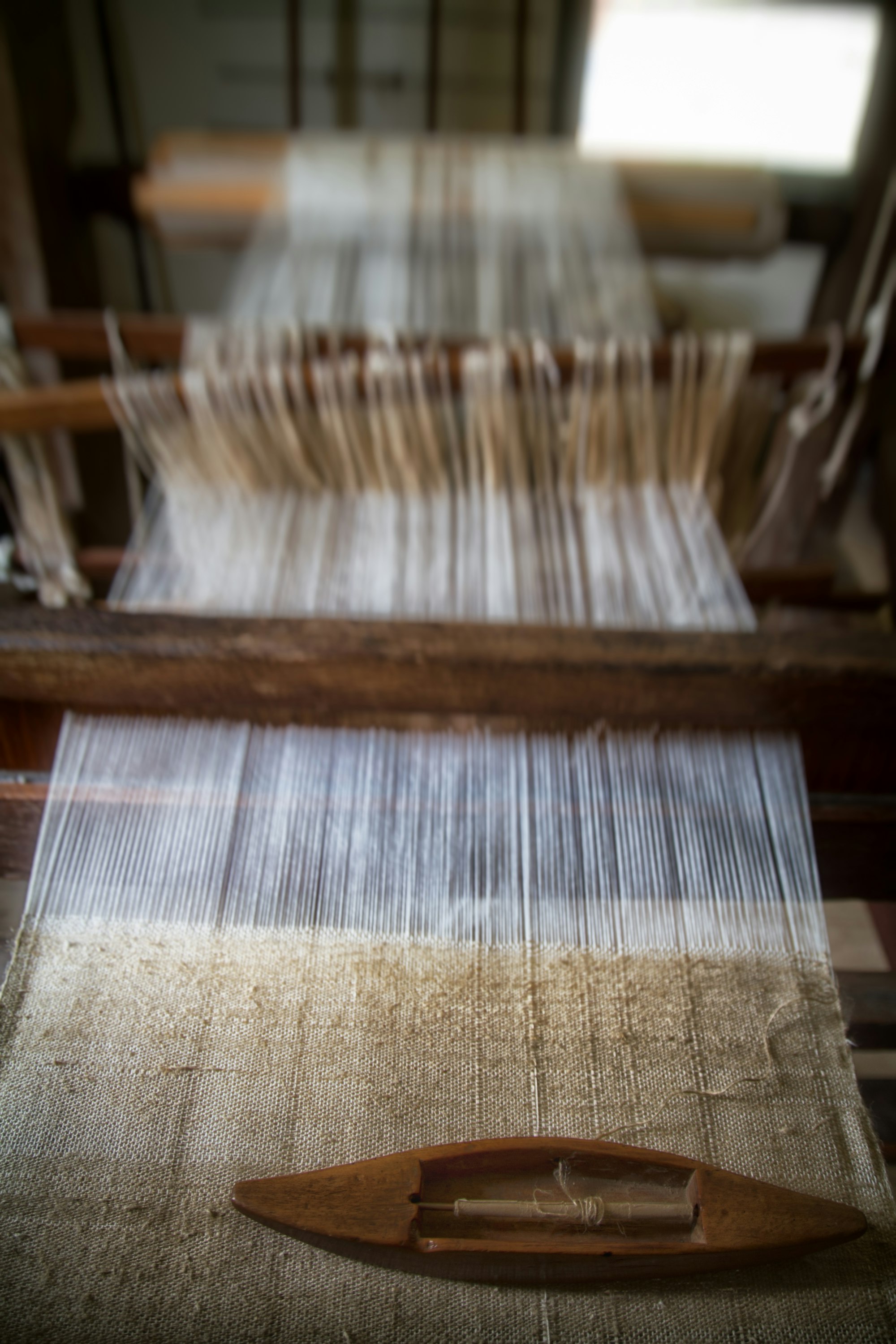
 Team qwikFAQs
 Team qwikFAQs