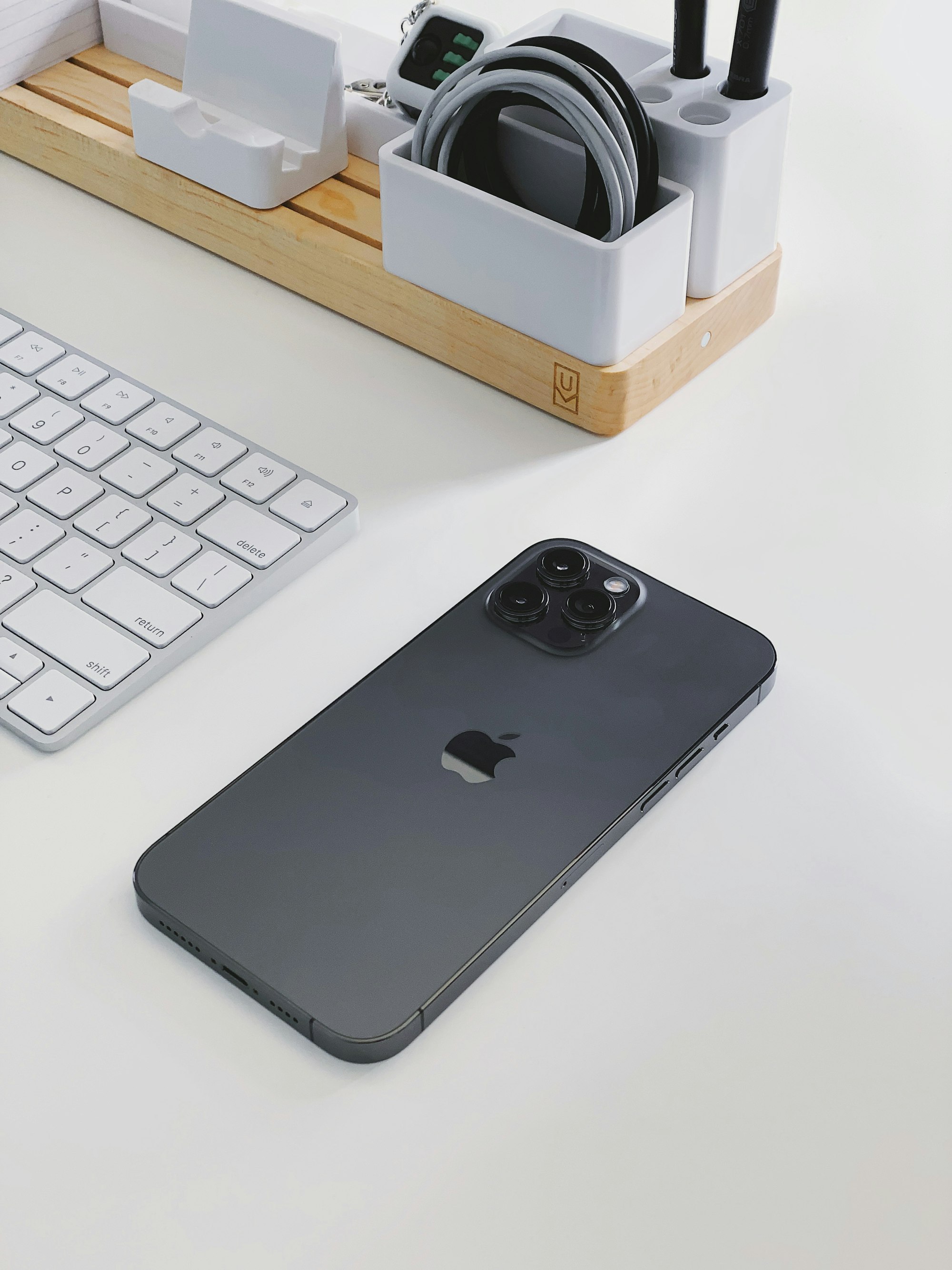
FAQs about Instant Cameras


Instant cameras remain popular because they combine photography with the excitement of receiving a physical print within minutes. Unlike smartphone photos that often stay digital, instant photos create tangible memories that can be shared, displayed, or collected. Modern instant cameras offer a mix of vintage charm and updated features, making them appealing to casual users, travelers, students, hobbyists, and event photographers alike.
What is an instant camera?
An instant camera is a camera that captures an image and develops a physical print shortly after the photo is taken. The film contains chemicals that process the image automatically, allowing users to hold a printed photograph within minutes of pressing the shutter button.
How does an instant camera work?
When a photo is taken, light exposes the film inside the camera. The film is then ejected through rollers that spread developing chemicals across the image. Over the next few minutes, the photograph gradually appears as the development process completes.
Do instant cameras need ink?
No. Instant cameras do not use ink cartridges like traditional printers. The film itself contains the chemicals needed to develop the image, which is why each sheet of instant film produces a finished photograph without additional printing supplies.
How long does instant film take to develop?
Development time varies by film type and environmental conditions. Most modern instant photos begin appearing within a minute and reach full development in approximately 5 to 15 minutes. Cooler temperatures may increase the time required for complete development.
Are instant cameras better than smartphone cameras?
Instant cameras and smartphones serve different purposes. Smartphones generally provide higher image quality, editing options, and storage. Instant cameras focus on creating physical prints immediately, offering a nostalgic and unique photography experience that many users find enjoyable.
Can instant camera photos fade over time?
Yes, instant photos can fade if exposed to excessive sunlight, heat, humidity, or poor storage conditions. Keeping photos in albums, frames with UV protection, or cool, dry environments can help preserve image quality for many years.
How much does instant film cost?
Instant film is usually the most significant ongoing expense. Depending on the brand and format, each photo may cost anywhere from around $0.50 to over $2.00. Prices vary based on film size, special editions, and regional availability.
Can instant cameras save digital copies?
Some hybrid instant cameras can store digital versions of photos before printing them. Traditional instant cameras generally do not save images digitally, meaning each photograph exists only as a physical print unless scanned later.
What is the difference between instant cameras and portable photo printers?
Instant cameras capture and print photos directly. Portable photo printers connect to smartphones or other devices and print existing digital images. Instant cameras emphasize spontaneity, while photo printers offer more control over image selection and editing.
Do instant cameras need batteries?
Most modern instant cameras require batteries to operate the shutter, flash, and film ejection mechanisms. Battery life depends on usage and camera model. Some cameras use rechargeable batteries, while others use disposable battery packs.
Are instant cameras good for beginners?
Yes. Most instant cameras are designed to be simple and user-friendly. Many models feature automatic exposure, built-in flash systems, and minimal controls, allowing beginners to focus on taking photos rather than learning complex camera settings.
Can you turn off the flash on an instant camera?
This depends on the model. Some instant cameras allow users to disable the flash, while others activate it automatically. Checking the camera's specifications can help determine whether manual flash control is available.
Why do instant photos sometimes come out dark?
Dark photos may result from insufficient lighting, incorrect exposure settings, weak batteries, or obstructed flash output. Using the camera in well-lit environments and ensuring the flash operates correctly can improve photo brightness.
Can instant film expire?
Yes. Instant film has an expiration date and performs best when used before that date. Expired film may produce color shifts, reduced contrast, inconsistent development, or other image quality issues depending on storage conditions.
Are instant cameras suitable for travel?
Instant cameras can be excellent travel companions because they create immediate keepsakes. However, travelers should consider carrying extra film, protecting the camera from extreme temperatures, and following airport screening recommendations for sensitive film products.
What sizes do instant photos come in?
Instant photo sizes vary by manufacturer and film format. Some cameras produce small credit-card-sized prints, while others create larger square or wide-format photos suitable for albums, scrapbooks, wall displays, and creative projects.
Can instant camera photos get wet?
Most instant photos are not fully waterproof. Brief contact with moisture may not always damage them, but prolonged exposure can affect image quality. It is best to keep instant photos dry and protected from water whenever possible.
Are instant cameras worth buying?
Many people find instant cameras worthwhile because they provide a unique photography experience and physical memories. Their value depends on how much you enjoy printed photos, creative projects, scrapbooking, events, and the nostalgic appeal of instant photography.
Which instant camera brand is the most popular?
Fujifilm and Polaroid are among the most recognized instant camera brands worldwide. Both offer a range of cameras and film formats that cater to beginners, enthusiasts, and creative photographers.
Can instant photos be scanned and shared online?
Yes. Instant photos can be scanned using flatbed scanners or smartphone scanning apps. Digitizing prints allows users to back up images, edit them, share them on social media, and preserve memories beyond the physical photograph.
Why are instant cameras still popular today?
Instant cameras offer a combination of nostalgia, creativity, and tangible memories that digital photography cannot fully replicate. The anticipation of watching a photo develop and the ability to hold a printed image immediately continue to attract photographers of all ages.
Capturing Memories Instantly
Instant cameras occupy a unique space between digital convenience and traditional photography. They provide immediate physical photographs, encourage thoughtful shooting, and create memorable experiences that often feel more personal than digital images. Whether used for travel, parties, scrapbooking, or everyday moments, instant cameras continue to appeal to people who enjoy preserving memories in a tangible format.
 Team qwikFAQs
 Team qwikFAQs
 Team qwikFAQs