FAQs about Tea


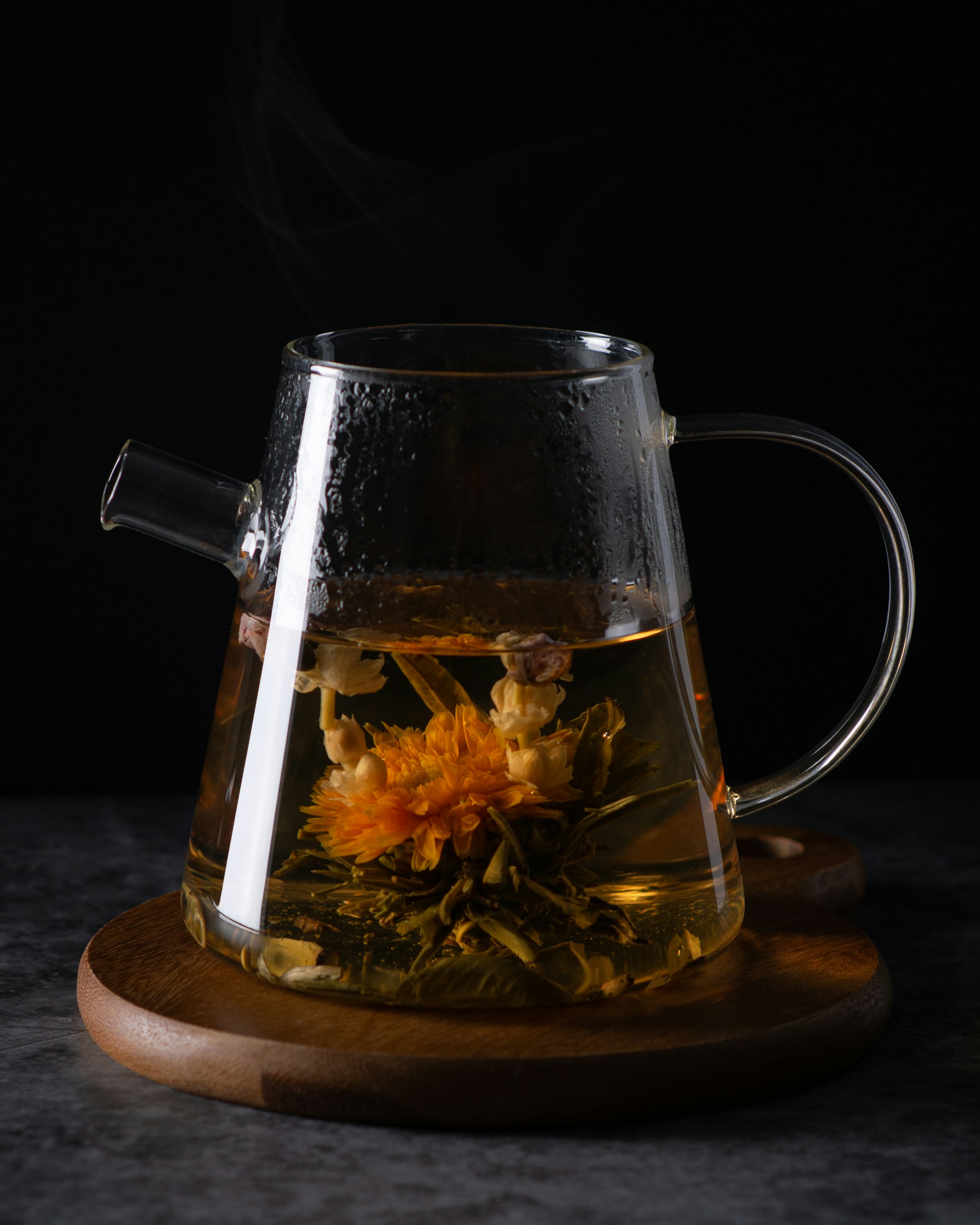
Tea is one of the world's most popular beverages, enjoyed across cultures for centuries. From traditional black tea and green tea to herbal infusions and specialty blends, tea offers remarkable variety in flavor, preparation, and drinking traditions. People often have questions about caffeine content, brewing methods, storage, health effects, and the differences between tea types.
This FAQ guide covers the most commonly searched questions about tea, providing concise and practical answers for beginners and experienced tea drinkers alike.
What is tea?
Tea is a beverage made by steeping leaves from the tea plant, Camellia sinensis, in hot water. Different processing methods create black, green, white, oolong, and pu-erh teas. Herbal teas, however, are made from herbs, flowers, fruits, or spices and are technically not true tea.
Does tea contain caffeine?
Most traditional teas contain caffeine because they come from the tea plant. The amount varies depending on the type, leaf grade, brewing time, and water temperature. Herbal teas are typically caffeine-free unless blended with caffeinated ingredients.
Which tea has the most caffeine?
Black tea generally contains more caffeine than green, white, or oolong tea. However, factors such as brewing time, tea variety, and serving size can significantly affect caffeine levels. Matcha may provide substantial caffeine because the entire leaf is consumed.
What is the difference between green tea and black tea?
Green tea is minimally oxidized, preserving its green color and fresh flavor. Black tea is fully oxidized, resulting in a darker appearance and stronger taste. Both come from the same plant but undergo different processing methods after harvesting.
Is tea healthier than coffee?
Tea and coffee both contain beneficial compounds and can fit into a healthy lifestyle. Tea typically contains less caffeine and often provides antioxidants such as catechins and polyphenols. The healthier choice depends on individual preferences, tolerance, and consumption habits.
How long should tea be steeped?
Steeping times vary by tea type. Green tea is often brewed for one to three minutes, while black tea may require three to five minutes. Over-steeping can produce bitterness, while under-steeping may result in weak flavor and aroma.
What is herbal tea?
Herbal tea, also called a tisane, is an infusion made from plants other than the tea plant. Popular options include chamomile, peppermint, hibiscus, and rooibos. These beverages are often chosen for their unique flavors and usually contain no caffeine.
Can tea expire?
Tea does not typically become unsafe after its best-by date if stored properly. However, exposure to air, moisture, heat, and light can gradually reduce flavor, aroma, and overall quality. Fresh tea generally delivers the best drinking experience.
How should tea be stored?
Tea should be stored in an airtight container away from moisture, sunlight, strong odors, and heat. Proper storage helps preserve flavor and aroma. Avoid keeping tea near spices, coffee, or cooking areas where odors can be absorbed.
What is matcha tea?
Matcha is a finely ground powder made from specially grown green tea leaves. Unlike traditional tea, the powder is whisked directly into water and consumed. This preparation method delivers a concentrated flavor and nutrient profile.
Can tea help with hydration?
Yes, tea contributes to daily fluid intake. Despite containing caffeine, most teas still provide hydration. Regular tea consumption can be part of meeting hydration needs, although plain water remains an important source of daily fluids.
Why does tea sometimes taste bitter?
Bitterness usually occurs when tea is brewed too long, with water that is too hot, or using excessive tea leaves. Certain teas naturally contain tannins that create a more astringent taste. Adjusting brewing techniques often improves flavor.
What is oolong tea?
Oolong tea is a partially oxidized tea that falls between green and black tea in processing and flavor. Depending on production methods, it can range from light and floral to rich and roasted, offering considerable diversity.
Is drinking tea every day safe?
For most people, moderate daily tea consumption is considered safe. Individual tolerance to caffeine varies, and excessive intake may cause unwanted effects such as restlessness or sleep disruption. Herbal teas may have different considerations depending on ingredients.
What is white tea?
White tea is one of the least processed tea varieties. It is typically made from young buds and leaves that are carefully dried. The result is a delicate flavor profile with subtle sweetness and a lighter taste than many other teas.
Can tea stain teeth?
Yes, tea can contribute to tooth staining because it contains tannins and pigments that may adhere to enamel over time. Darker teas tend to stain more noticeably. Good oral hygiene and regular dental care can help minimize discoloration.
What is chai tea?
Masala Chai is a tea beverage traditionally made by brewing black tea with spices such as cardamom, cinnamon, ginger, cloves, and black pepper. It is commonly prepared with milk and sweetener in many regions.
What is decaffeinated tea?
Decaffeinated tea is traditional tea that has had most of its caffeine removed through specialized processing methods. Small amounts of caffeine may still remain. Decaf options are popular among people seeking lower caffeine consumption.
Can you reuse tea leaves?
Many loose-leaf teas can be steeped multiple times. Subsequent infusions often reveal different flavors and aromas. High-quality oolong, green, and pu-erh teas are particularly known for producing enjoyable multiple brews when prepared correctly.
What is the most popular tea in the world?
Black tea is generally considered the most widely consumed tea globally. It is especially popular in countries such as India, the United Kingdom, and many parts of Africa and Asia. Its bold flavor and versatility contribute to its widespread appeal.
Tea remains one of the most diverse and widely enjoyed beverages in the world. Whether you prefer black tea, green tea, matcha, herbal blends, or chai, understanding the basics of brewing, storage, caffeine, and tea varieties can enhance your experience. Exploring different teas is part of the enjoyment, allowing you to discover flavors, traditions, and preparation styles that suit your personal taste.
 Team qwikFAQs
 Team qwikFAQs
 Team qwikFAQs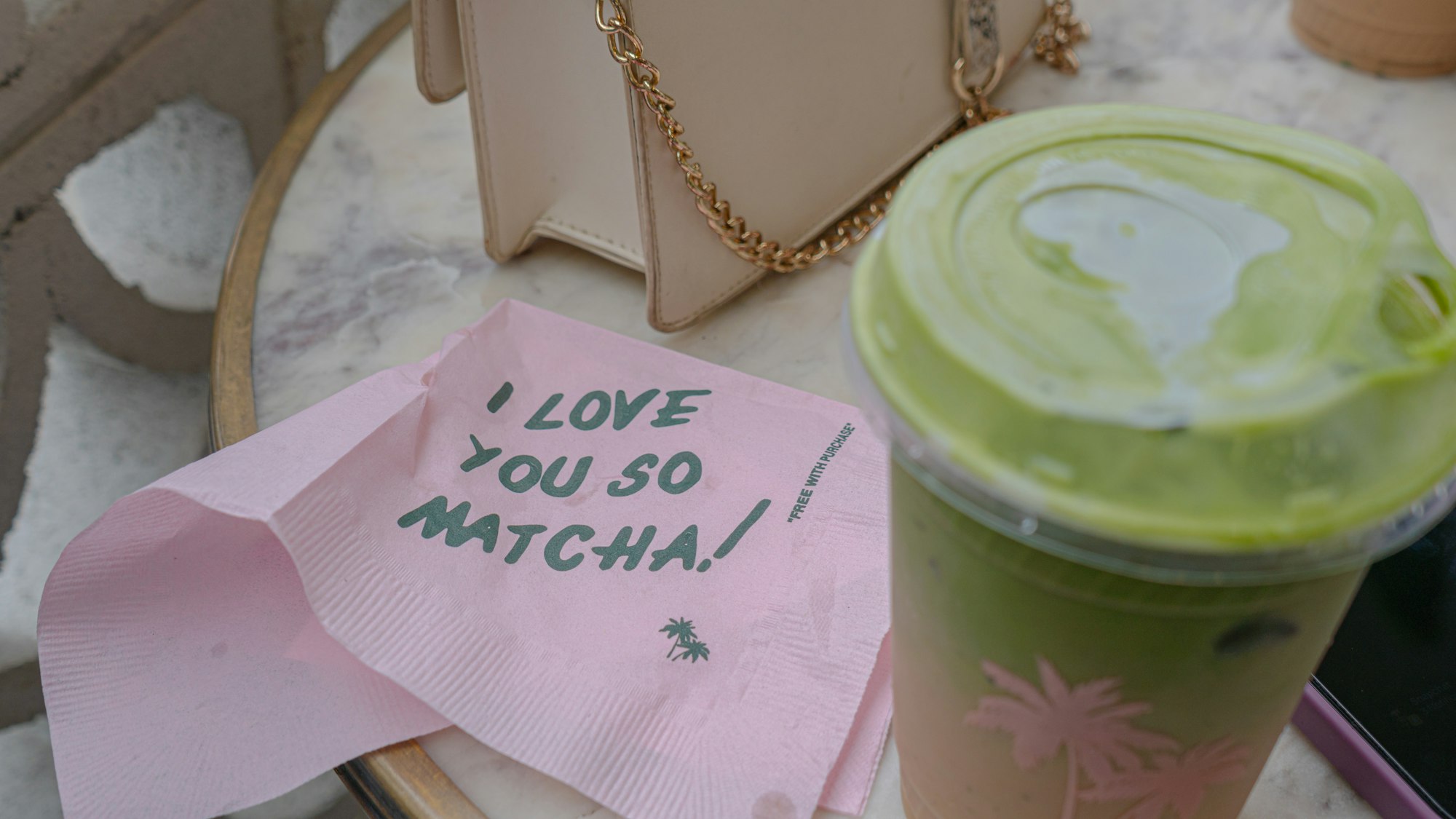
 Team qwikFAQs