FAQs about Smoking


Smoking remains one of the most debated and researched habits in the world. Despite decades of public health campaigns, millions of people still smoke cigarettes, cigars, pipes, or other tobacco products. Questions about addiction, cancer risks, secondhand smoke, vaping, quitting methods, and long-term health effects continue to dominate online searches.
This FAQ page answers the most commonly asked questions about smoking in a clear and practical way. Whether someone is trying to quit, researching health risks, or simply curious about how smoking affects the body, these answers cover the basics as well as the bigger picture surrounding tobacco use today.
What is smoking?
Smoking is the act of inhaling and exhaling smoke produced by burning substances, most commonly tobacco. Cigarettes are the most widely used smoking product, but cigars, pipes, hookahs, and bidis are also popular in different parts of the world.
Tobacco smoke contains nicotine, which is addictive, along with thousands of other chemicals.
Why is smoking addictive?
Smoking is addictive mainly because of nicotine. Nicotine quickly reaches the brain after inhalation and triggers the release of dopamine, a chemical linked to pleasure and reward.
Over time, the brain begins to rely on nicotine to feel normal, making it difficult for smokers to quit without withdrawal symptoms.
Is smoking bad for your health?
Yes. Smoking is linked to a wide range of serious health problems, including lung cancer, heart disease, stroke, respiratory illnesses, and reduced immune function.
It damages nearly every organ in the body and is considered one of the leading preventable causes of death worldwide.
How many chemicals are in cigarette smoke?
Cigarette smoke contains more than 7,000 chemicals. Hundreds are harmful, and dozens are known to cause cancer.
These chemicals include carbon monoxide, formaldehyde, arsenic, benzene, and tar.
What does nicotine do to the body?
Nicotine increases heart rate, blood pressure, and alertness. It can temporarily improve concentration and reduce stress feelings in habitual smokers.
However, nicotine also contributes to addiction and affects brain development in adolescents and young adults.
Does smoking cause cancer?
Yes. Smoking is strongly linked to several types of cancer, especially lung cancer. It is also associated with cancers of the mouth, throat, bladder, pancreas, kidney, stomach, liver, and cervix.
The longer a person smokes, the higher the risk generally becomes.
Can smoking cause heart disease?
Yes. Smoking damages blood vessels, reduces oxygen in the blood, and increases blood pressure. These effects raise the risk of heart attacks, strokes, and cardiovascular disease.
Even light smoking can increase heart-related risks.
What is secondhand smoke?
Secondhand smoke is the smoke inhaled by people near someone who is smoking. It comes from both the burning cigarette and the smoke exhaled by the smoker.
Exposure to secondhand smoke can also cause health problems, especially in children, older adults, and people with respiratory conditions.
Is passive smoking dangerous?
Yes. Passive smoking, also called secondhand smoking, can increase the risk of lung cancer, asthma, heart disease, and respiratory infections.
Children exposed to smoke are more likely to develop ear infections and breathing problems.
Can smoking affect mental health?
Smoking and mental health are closely connected. Some smokers report temporary stress relief from nicotine, but research suggests smoking may worsen anxiety and depression over time.
Nicotine dependence can also increase stress between cigarettes due to withdrawal symptoms.
Does smoking affect fertility?
Yes. Smoking can reduce fertility in both men and women.
In men, it may lower sperm quality and count. In women, smoking can affect reproductive health, pregnancy outcomes, and menopause timing.
Is smoking during pregnancy dangerous?
Yes. Smoking during pregnancy increases the risk of miscarriage, premature birth, low birth weight, and complications for both mother and baby.
Exposure to nicotine and harmful chemicals can affect fetal development.
Can smoking damage the lungs permanently?
Yes. Smoking can permanently damage lung tissue and airways.
Conditions such as chronic obstructive pulmonary disease (COPD), emphysema, and chronic bronchitis are commonly associated with long-term smoking.
What is COPD?
COPD stands for chronic obstructive pulmonary disease. It is a long-term lung condition that makes breathing difficult.
Smoking is the leading cause of COPD worldwide.
Does smoking age your skin?
Yes. Smoking reduces blood flow and damages collagen and elastin, which help keep skin firm and healthy.
Long-term smokers may develop wrinkles and premature skin aging faster than non-smokers.
What is chain smoking?
Chain smoking refers to smoking multiple cigarettes continuously with little or no break between them.
It often indicates high nicotine dependence.
Can smoking affect exercise performance?
Yes. Smoking reduces lung capacity and oxygen delivery, making physical activity more difficult.
Smokers may experience lower endurance and slower recovery after exercise.
Why do people start smoking?
People start smoking for many reasons, including curiosity, peer pressure, stress, social influence, advertising exposure, or family habits.
Nicotine addiction can develop quickly after experimentation.
Can smoking shorten life expectancy?
Yes. Long-term smoking is associated with reduced life expectancy.
Research suggests smokers face significantly higher risks of early death compared to non-smokers.
Smoking affects nearly every part of the body and remains one of the biggest preventable health risks worldwide. Questions about addiction, disease, quitting, and newer alternatives like vaping continue to shape public conversations around tobacco use.
Understanding how smoking impacts health can help people make informed decisions, whether they are trying to quit themselves or support someone else through the process. While nicotine addiction can be difficult to overcome, millions of people successfully quit smoking every year and experience long-term health benefits afterward.
 Team qwikFAQs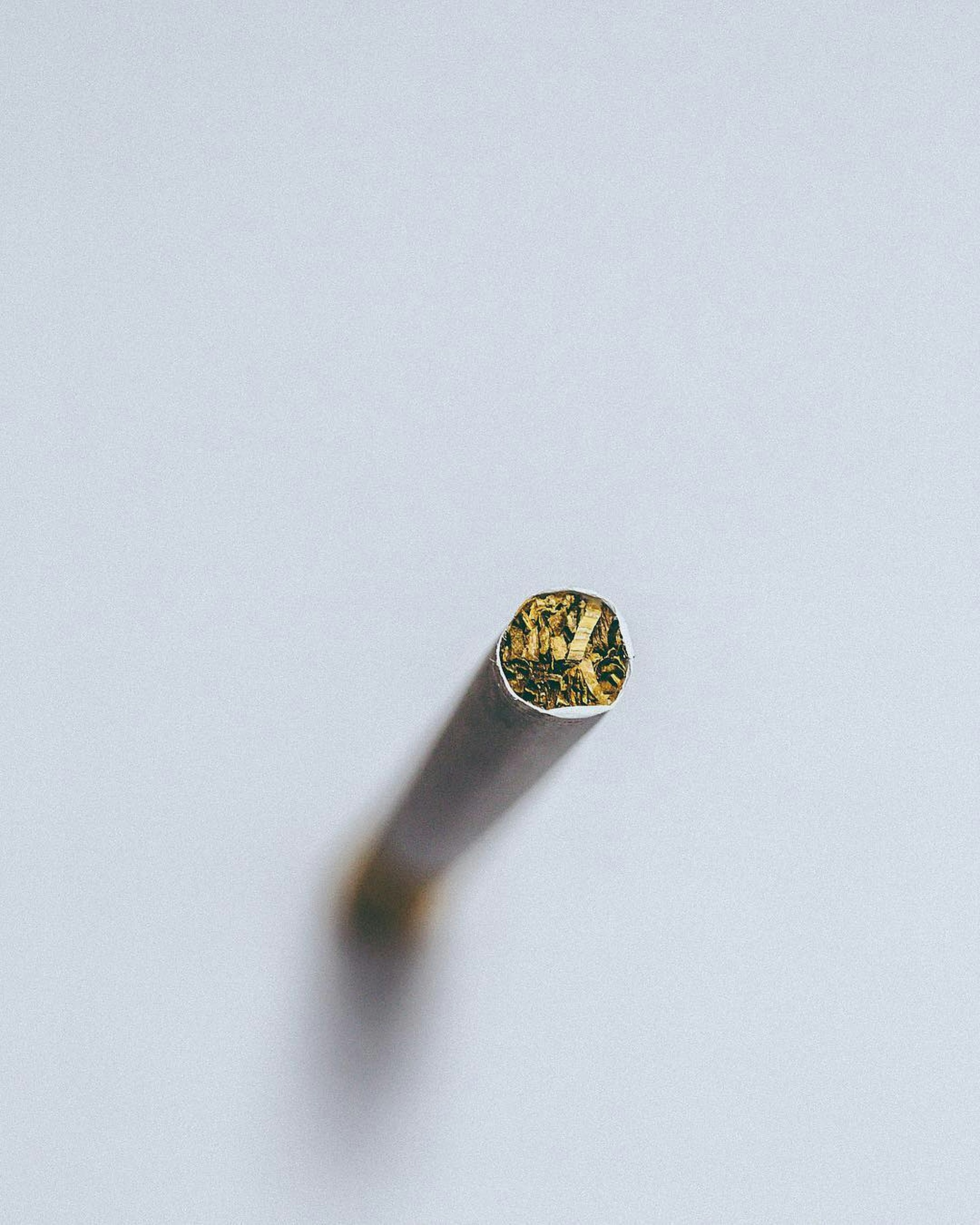
 Team qwikFAQs
 Team qwikFAQs
 Team qwikFAQs